The Journey
Learned to build with little and dream big. Early career shaped by resourcefulness and agility.
Before The Hub existed as an idea, it existed as a pattern.
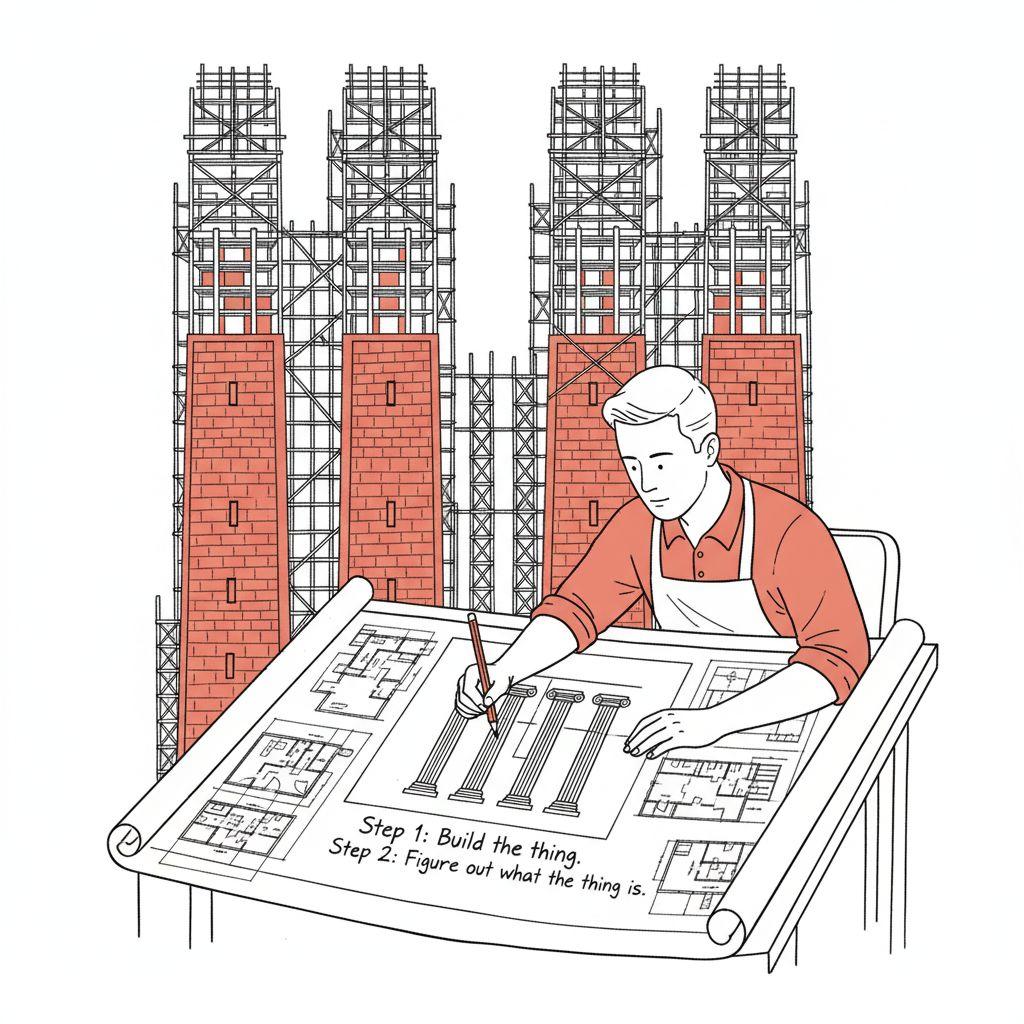
Across startups, Microsoft, campaigns, and career shifts, I kept seeing the same truth: the most meaningful marketing isn't just about what you say. It's about how you structure the way you think.
I didn't wake up and decide to "build a consultancy." My career has been a series of expansions: from scrappy startup generalist, to strategic voice inside one of the world's most complex organizations, to someone who could finally articulate my way of working.
The timeline isn't a highlight reel. It's the architecture of how I learned, unlearned, and rebuilt. It's the scaffolding behind the systems I now share through The Hub.
The Question
What if marketing worked the way great products do? Tested, modular, and built to evolve.
The Pattern Before the Plan
Autonomy came first. The constraint wasn't a limitation. It was the architecture that made everything work.
From Campaigns to Systems
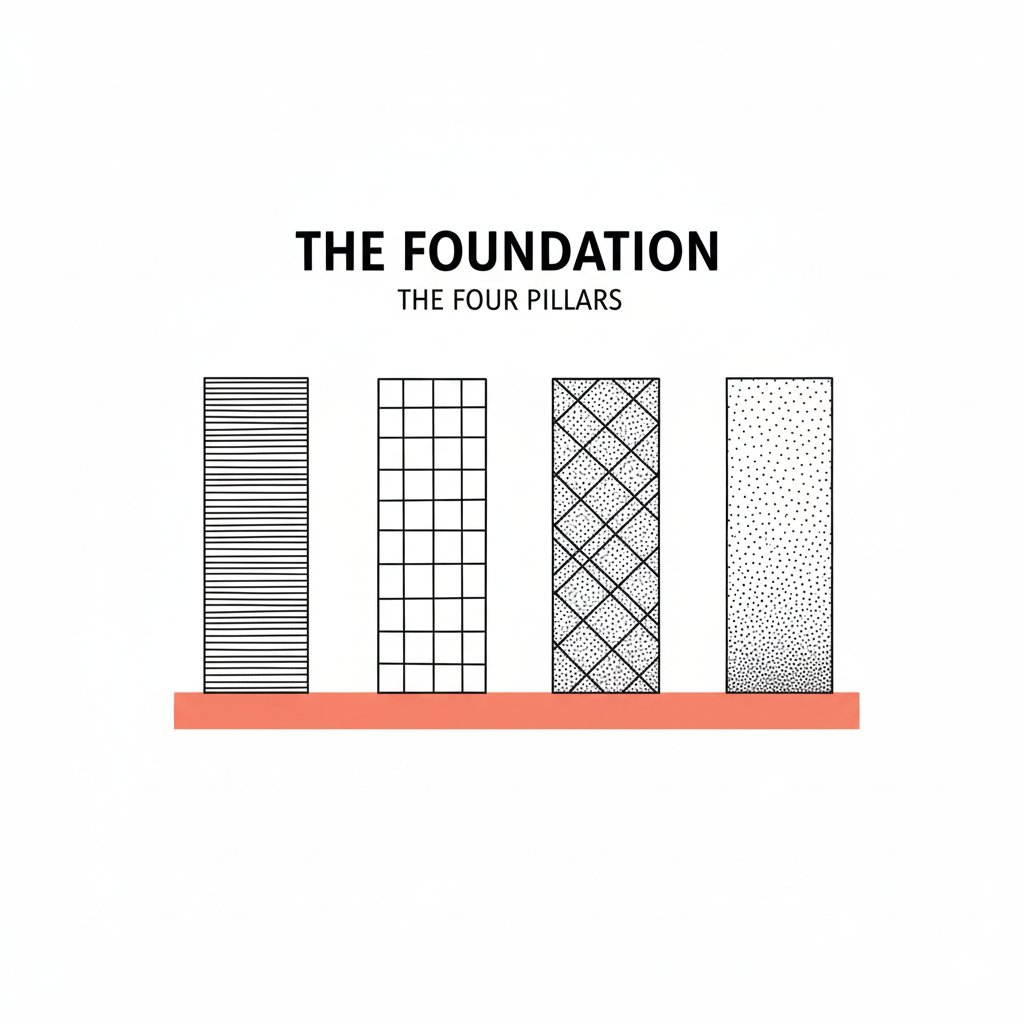
Over the last several years, I learned to build campaigns that moved audiences and markets. But I also learned something deeper: the best work isn't just creative - it's systematic. The campaigns that scaled weren't accidents. They had architecture.
I kept the rigor. Frameworks, adaptability, editorial quality, strategic clarity. I kept the belief that storytelling needs infrastructure to travel beyond a single moment.
But I left behind the assumption that great marketing requires massive teams and budgets. I left behind traditional agency overhead and complexity. I left behind services that look like everyone else's.
The Hub isn't a studio. It's a modular ecosystem where strategy, tools, and partnership work together on demand.
The Tools
Building The Hub meant becoming my own R&D department. I taught myself AI-assisted design, workflow automation, and modern web architecture - not because I wanted to become a developer, but because I wanted to control the experience.
AI became my creative bench. What used to require a designer, a writer, and a developer could now be prototyped in hours. But here's what surprised me: the tools didn't replace creativity. They amplified intentionality.
The real skill wasn't mastering the tech; it was learning to design the prompts, the systems, the flows. To think in frameworks that AI could execute but only I could architect.
This is where marketing is headed. The leaders who win won't be the ones with the biggest teams. They'll be the ones who know how to design systems that scale their thinking.
The Build
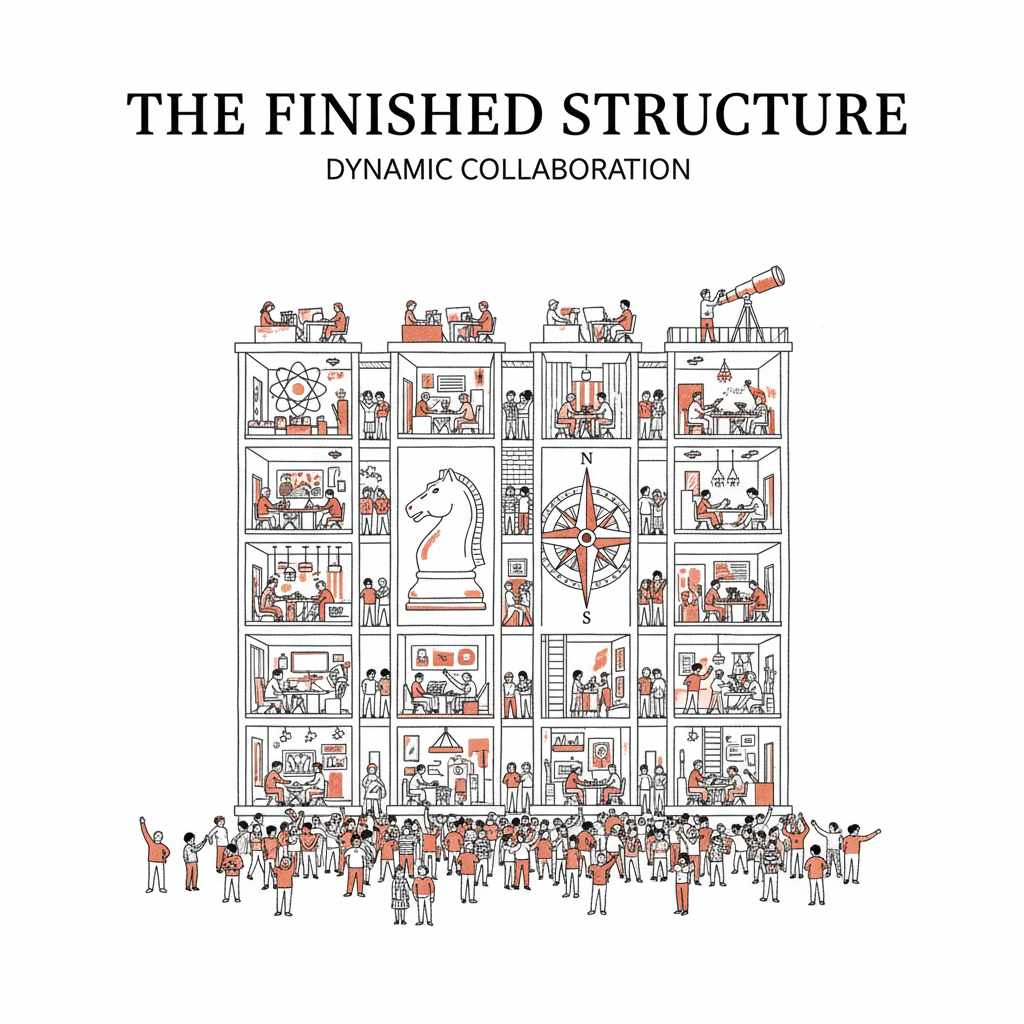
The Hub isn't one product. It's four arms that work as a system:
Advisory - The solo consulting model. Direct partnership with founders and marketing leaders who need clarity, narrative, and momentum without agency bloat.
IMC Services - The co-branded engine. When a brief needs scale, I partner with creative studios to deliver end-to-end integrated campaigns.
ScopeIQ - The diagnostic tool. Replaces vague discovery with structured clarity. It mirrors how I think, so alignment happens early.
StrategyIQ - The intelligence layer. Turns insights into blueprints and blueprints into systems. This is where campaigns get coherent, measurable, adaptive.
Each arm is distinct but connected. Together, they create a frictionless flow from understanding to impact. From proof to partnership.
A Modular System
Four connected parts. One foundation. Every arm of The Hub was designed to scale collaboration, not complexity.
The System
Four arms. One flow. From proof to partnership.
Advisory. IMC Services. ScopeIQ. StrategyIQ. Each distinct but connected.
Three Lessons
Clarity compounds. Every hour spent clarifying your positioning, your frameworks, your language pays dividends forever. The Hub forced me to articulate what I do in ways I never had to as an employee.
Storytelling needs infrastructure. Great stories don't just happen. They need systems: content calendars, design systems, measurement frameworks. The Hub is proof that creativity scales when it has architecture.
Momentum loves focus. Building alone taught me to protect my attention like a finite resource. Every new feature, every partnership, every project had to justify itself against one question: Does this make the system clearer or more complex?
The answer shaped everything. When you can't delegate, you get ruthless about what matters.
What I Kept
- The rigor – Frameworks, adaptability, editorial quality, strategic clarity.
- The belief – Storytelling needs infrastructure to travel beyond a single moment.
- The architecture – The campaigns that scaled had systems behind them.
What I Left Behind
- The assumption – Great marketing requires massive teams and budgets.
- The bloat – Traditional agency overhead and complexity.
- The template – Services that look like everyone else's.
What's Next
The Hub started as a startup-of-one. But it was always designed to scale beyond me.
I'm opening it to collaborators: strategists, creatives, founders who think differently about how marketing should work. People who want partnership over process, systems over services, clarity over complexity.
I'm also opening it to companies who are tired of agencies that don't listen and freelancers who can't scale. The Hub offers a third path: strategic architecture, modular creativity, and a methodology that adapts to how you work.
Because here's what I learned building this: the future of marketing isn't about bigger teams. It's about better systems. It's about leaders who can design frameworks that make great storytelling repeatable.
And it's about having the courage to treat your experience like a product: something living, repeatable, and built for what's next.
What's Next
The system keeps learning. The more you use it, the smarter and more human it becomes.